Protect Your Vision with a Diabetic Eye Exam
Diabetes can cause serious vision problems, often without early symptoms. Our comprehensive, technology-driven exams detect issues like diabetic retinopathy before they lead to permanent vision loss.
Early Detection
Prevents Vision Loss
Why is a Diabetic Eye Exam So Important?
Managing your blood sugar is only part of the equation. Diabetes specifically targets the delicate blood vessels in your eyes. Proactive screening is your best defense.
Prevent Vision Loss
Diabetic retinopathy is a leading cause of blindness in adults. The danger is that it often presents zero early symptoms. Early detection through dilated exams can prevent severe, irreversible damage.
Monitor Overall Health
Routine exams allow us to track microscopic changes in your retina over time. This helps you and your primary care doctor manage your diabetes more effectively and adjust treatments if necessary.
Detect Other Issues
The eye is the only place in the body where we can view blood vessels directly without surgery. Exams can reveal signs of high blood pressure, elevated cholesterol, and other underlying health concerns.
What to Expect During Your Exam
A diabetic eye exam goes beyond reading letters on a chart. We utilize a suite of advanced diagnostic tools to thoroughly evaluate the internal health of your eyes.
Collaborative Care
After your exam, we can send a comprehensive report directly to your endocrinologist or primary care physician to ensure your entire healthcare team is informed.
Dilated Fundus Examination
This is crucial. We use specialized eye drops to widen your pupil. This acts like opening a door, giving our doctors a wide, unhindered view of the back of your eye (the retina and macula) to check for leaking blood vessels.
Retinal Imaging & OCT Scans
We use high-resolution digital photography and Optical Coherence Tomography (OCT). OCT uses light waves to take cross-sectional pictures of your retina, allowing us to see each distinctive layer and detect swelling (macular edema) early.
Intraocular Pressure (IOP) Test
Patients with diabetes are at a higher risk of developing glaucoma. We carefully measure the fluid pressure inside your eyes to ensure it remains within a safe, healthy range.
Slit-Lamp Examination
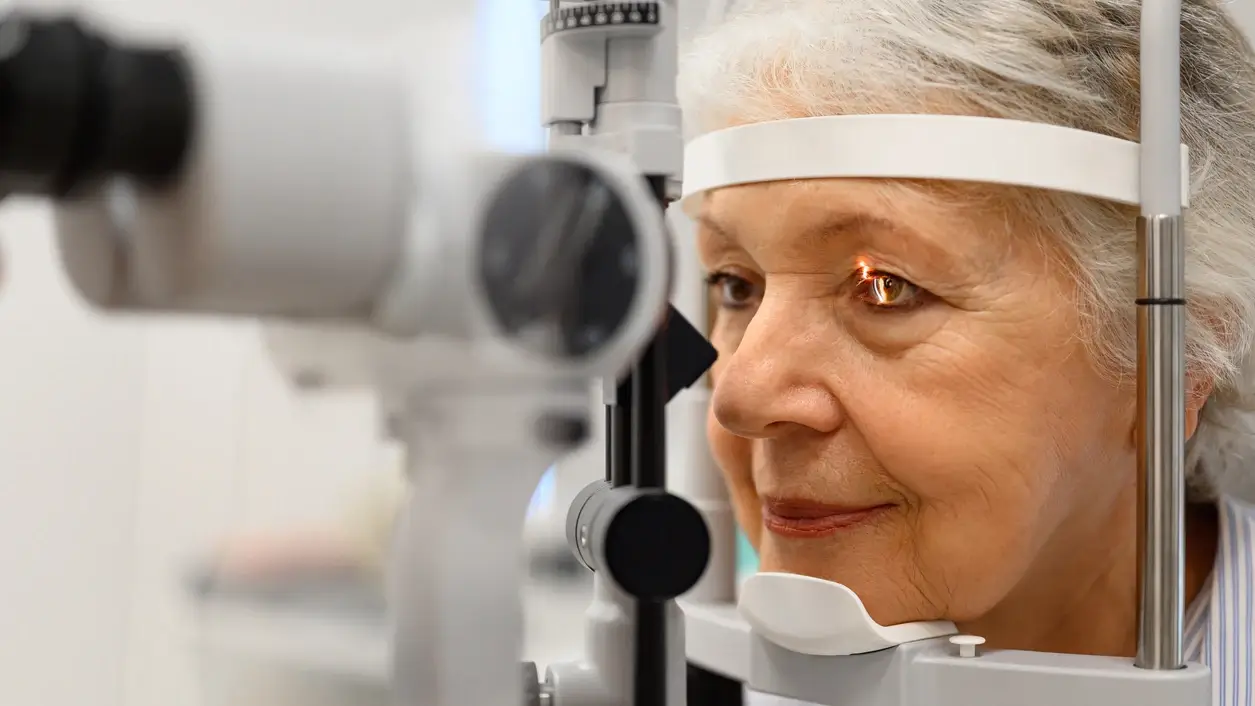
Using a high-intensity light source and a microscope, we examine the anterior structures of your eye (cornea, iris, and lens). This helps us detect cataracts, which tend to develop earlier and faster in diabetic patients.
Understanding Diabetic Retinopathy
Watch this short clinical animation to see exactly how diabetes can affect the delicate structures within your eyes over time.
Frequently Asked Questions
Answers to common questions about diabetic vision care at Mount Vernon Eye Care.
Don't Wait for Symptoms to Appear
Vision loss from diabetes is largely preventable with early detection and proper care. Take control of your eye health today.